Creating a home workspace that feels both relaxing and motivating can make a significant difference in your daily productivity. When your environment supports calmness and focus, it reduces stress and allows you to dive into work with greater ease. Whether you’re new to remote work or looking to refresh your setup, these tips will help you craft a home workspace designed to boost your productivity.
Why a Relaxing Workspace Matters
Before diving into the tips, let’s understand the importance of relaxation in your workspace. A cluttered, noisy, or uncomfortable environment can cause distractions and increase anxiety. By tailoring your workspace to be peaceful and supportive, you encourage better concentration and maintain a positive mindset throughout your workday.
Choose the Right Location
Find a Quiet Spot
Select a space in your home that is naturally quiet and free from frequent interruptions. If possible, avoid high-traffic areas like kitchens or living rooms where noise and activity may distract you.
Consider Natural Light
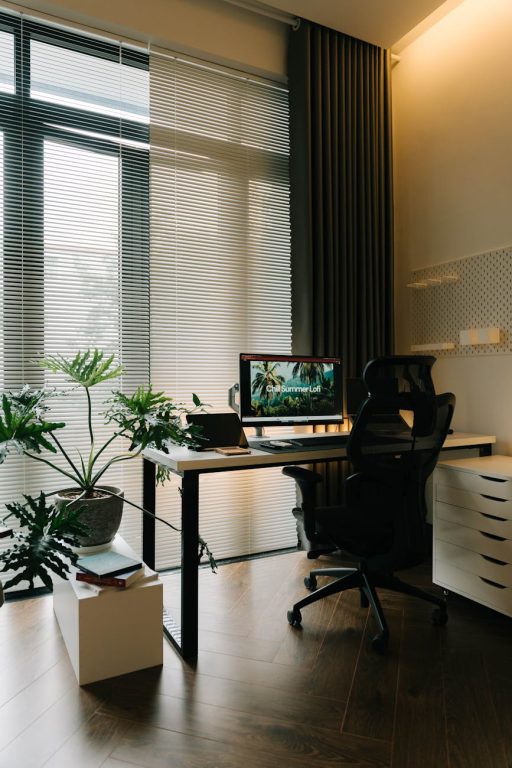
Position your workspace near a window to benefit from natural light. Sunlight helps regulate your body clock and can improve your mood. If natural light is limited, invest in warm, adjustable lighting to create a cozy atmosphere.
Keep It Organized and Clutter-Free
Use Storage Solutions
Keep your desk clear by using organizers, shelves, or drawers to store supplies and paperwork. A tidy environment minimizes visual distractions and helps your mind stay focused.
Limit Items on Your Desk
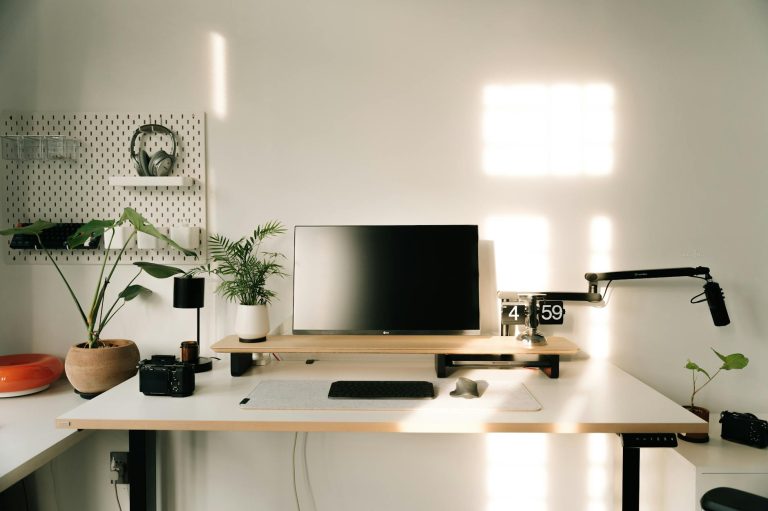
Only keep essential items on your desk, such as your computer, a notebook, and a pen. Remove items that don’t support your work to prevent clutter buildup.
Choose Comfortable, Supportive Furniture
Invest in an Ergonomic Chair
A good chair supports your posture and reduces discomfort during long work sessions. Look for adjustable features that fit your body and encourage proper alignment.
Select a Suitable Desk
Choose a desk that fits your space and height. Sitting at the right desk height reduces strain on your wrists and shoulders.
Incorporate Relaxing Elements
Add Plants
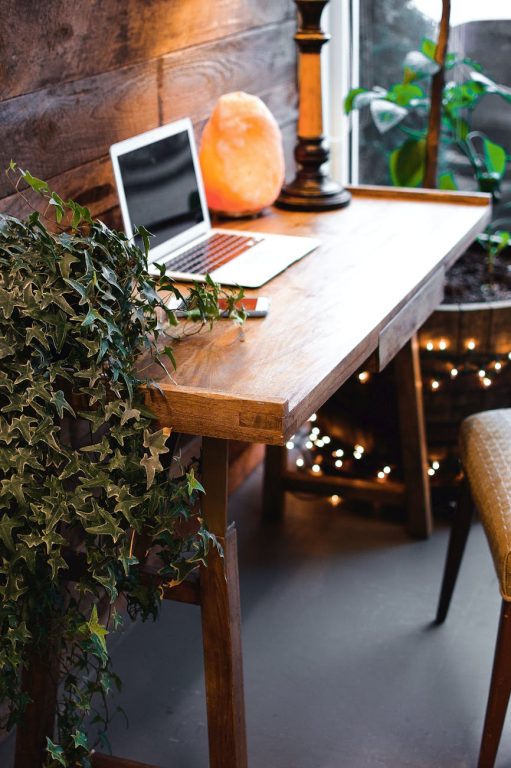
Indoor plants improve air quality and bring a touch of nature indoors, which can reduce stress and increase productivity.
Use Calming Colors
Soft, neutral colors like light blue, green, or beige create a soothing environment. You can add these colors through paint, decor, or desk accessories.
Play Soft Background Music or Ambient Sounds
If music helps you focus, consider gentle instrumental tracks or ambient sounds like rain or nature noises to create a peaceful atmosphere.
Personalize Without Overcrowding
Adding personal touches can make a workspace feel welcoming but avoid turning it into a distraction.
– Display one or two meaningful items, such as a photo or a small piece of artwork.
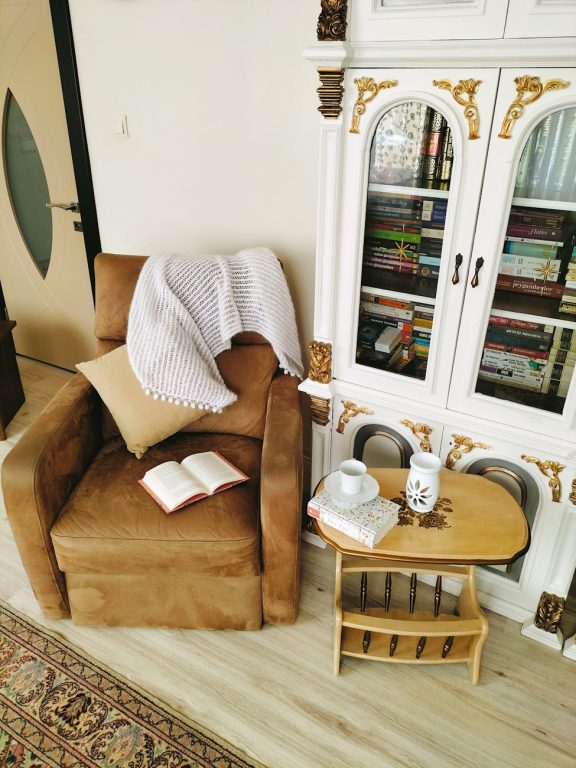
– Use comfortable accessories like a cozy throw or a wrist rest.
– Keep personalization minimal to maintain a professional and focused atmosphere.
Minimize Digital Distractions
Manage Notifications
Turn off non-essential notifications on your devices during work hours to avoid interruptions.
Use Focus Apps
Consider apps or browser extensions that block distracting websites for set periods, helping you stay on track.
Establish a Routine
Having a clear start and end time for your workday helps create boundaries and reduces stress.
– Start each day by tidying your space.
– Take regular breaks to stretch and refresh your mind.
– End your day by organizing your desk, preparing for the next workday.
Keep the Air Fresh and Temperature Comfortable
Good air quality and an ideal room temperature contribute to your comfort and alertness.
– Open windows when possible or use an air purifier.
– Adjust heating or cooling to a comfortable level, around 68-72°F (20-22°C).
Use Adequate Lighting
Avoid harsh fluorescent lights that may cause eye strain.
– Combine ambient lighting with task lighting, such as a desk lamp.
– Position light sources to avoid glare on your screen.
Final Thoughts
Designing a relaxing home workspace doesn’t require a huge budget or complex changes. Small improvements like decluttering, adding plants, and paying attention to comfort can make your workspace a calm, productive environment. Experiment with what works best for you, and remember that a thoughtful space often leads to better work and a happier mindset.
Start making changes today and enjoy the benefits of a more relaxing and efficient home workspace!
About the Author