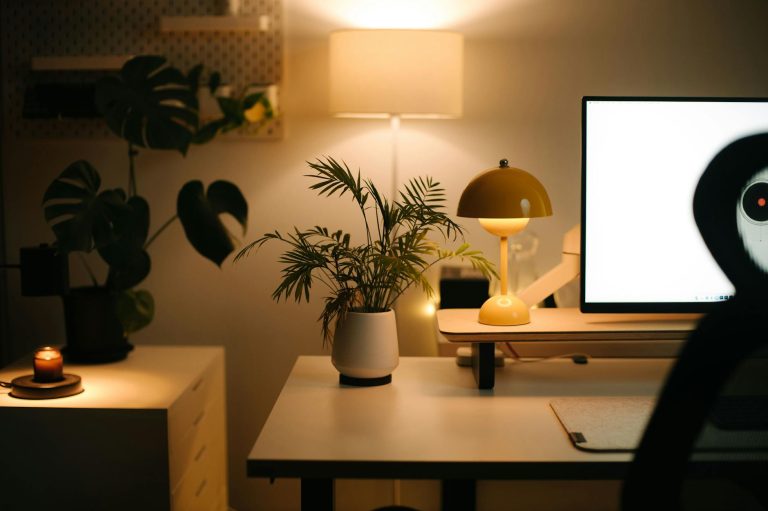
Creating a cozy and functional home office space is essential for anyone working remotely or managing tasks from home. A well-designed workspace not only enhances productivity but also boosts mood and reduces stress. Whether you have a dedicated room or a small corner, this guide will walk you through practical tips to transform your home office into a place you enjoy spending time in.
1. Choose the Right Location
Selecting the best spot for your home office is the foundation of creating a comfortable workspace.
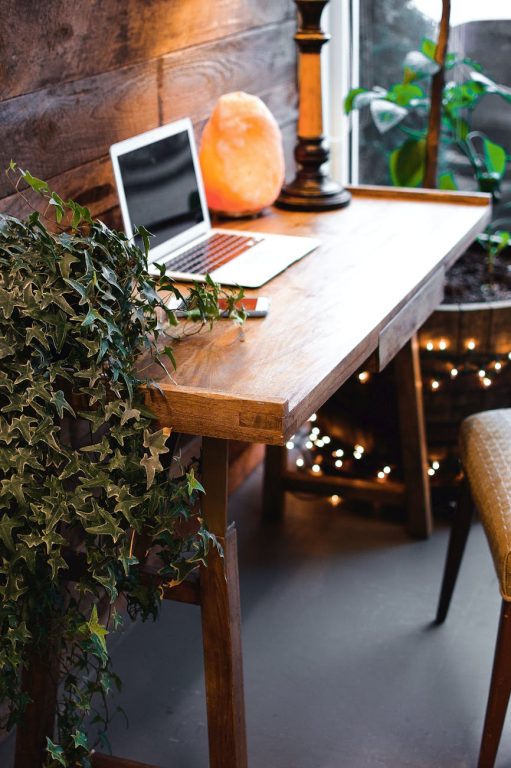
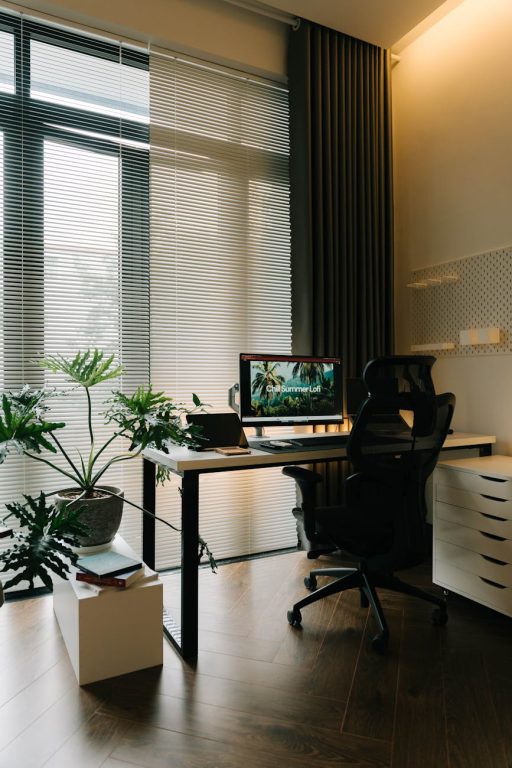
– Natural Light: Position your desk near a window to take advantage of natural light. Sunlight can improve your mood and reduce eye strain.
– Quiet Environment: Find a space away from household noise and distractions to maintain focus.
– Room for Movement: Ensure there is enough space to move around comfortably and to store necessary equipment.
2. Invest in Ergonomic Furniture
Comfort is key to staying productive, especially when you spend many hours at your desk.
– Ergonomic Chair: Choose a chair that supports your back, with adjustable height and armrests.
– Desk Height: Your desk should be at a height where your elbows can rest comfortably at a 90-degree angle when typing.
– Adjustable Options: Consider sit-stand desks or accessories that allow you to change postures throughout the day.
3. Optimize Lighting
Good lighting reduces fatigue and creates a warm atmosphere.
– Layered Lighting: Use a combination of ambient, task, and accent lighting to prevent harsh shadows.
– Desk Lamps: A focused desk lamp helps illuminate your workspace for detailed tasks.
– Warm Bulbs: Select bulbs with a warm color temperature (2700K-3000K) for a cozy feel.
4. Personalize Your Space
Adding personal touches can make your office feel inviting and motivating.
– Decor: Use artwork, plants, or photos that inspire you.
– Color Scheme: Choose colors that enhance calm and focus, such as soft blues, greens, or neutrals.
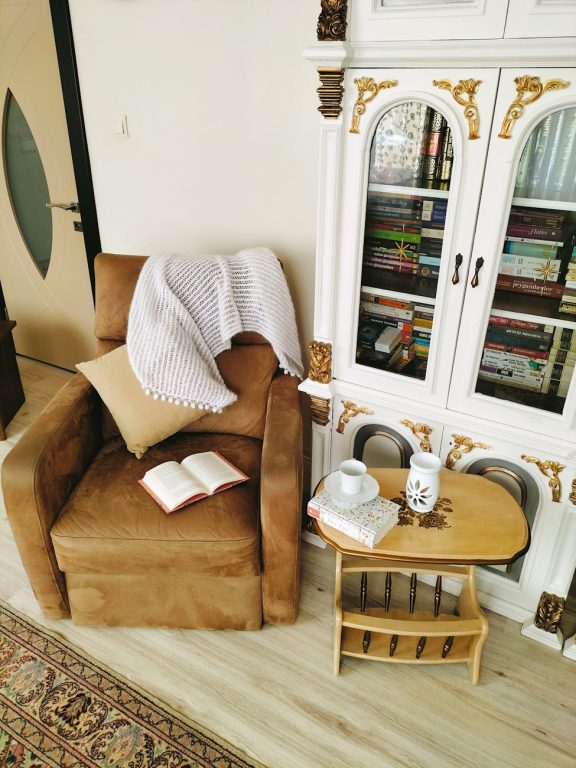
– Textiles: Incorporate cushions, rugs, or curtains for added warmth and texture.
5. Keep It Organized
An organized space encourages productivity and reduces stress.
– Storage Solutions: Use shelves, drawers, and boxes to keep supplies tidy.
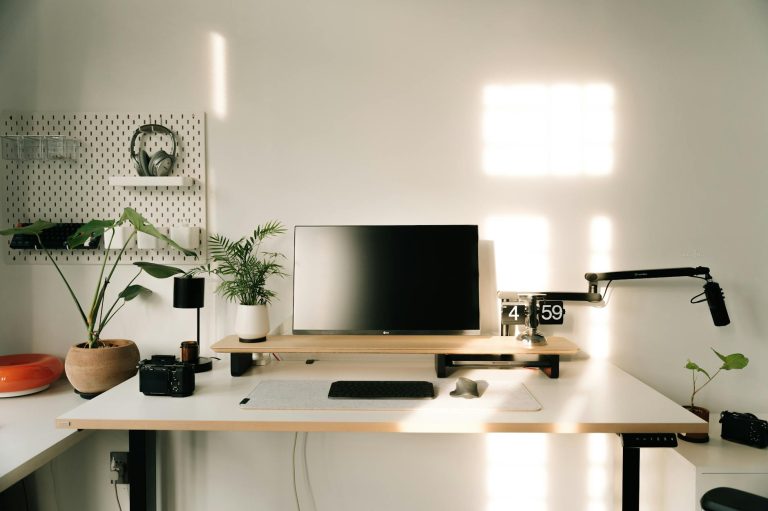
– Cable Management: Employ clips, trays, or sleeves to keep cords out of the way.
– Minimal Clutter: Only keep essentials on your desk to maintain a clean look.
6. Incorporate Technology Efficiently
Make your home office tech-friendly without overcrowding.
– Monitor Placement: Position your monitor at eye level to prevent neck strain.
– Reliable Internet: Ensure your internet connection is stable to avoid disruptions.
– Peripheral Devices: Invest in a quality keyboard, mouse, and headset to improve comfort and efficiency.
7. Create a Routine and Boundaries
Designing your space is only part of the equation; managing your time and boundaries helps too.
– Work Hours: Set regular working hours to separate office time from personal time.
– Designated Area: Use your home office only for work to build mental associations.
– Breaks: Include space or reminders to take breaks and stretch.
8. Consider Sound Control
Reducing noise distractions enhances concentration.
– Soft Furnishings: Rugs, curtains, and cushions absorb sound.
– Noise-Canceling Headphones: Useful if you can’t control external noise.
– White Noise Machines: These provide a consistent background sound, masking interruptions.
9. Add Greenery
Plants not only improve air quality but also create a calming atmosphere.
– Easy-to-Care Plants: Choose low-maintenance plants like snake plants, pothos, or succulents.
– Placement: Position plants where they won’t interfere with workspace but remain visible.
Final Thoughts
Designing a home office that is both cozy and functional is about balancing comfort with efficiency. With thoughtful furniture choices, personalized touches, and good organization, you can create a space that supports your work and wellbeing. Start with these tips and adjust according to your needs and preferences to make your home office a place you look forward to working in each day.
About the Author